

Conflict, Energy Security and the ‘Paradox of Plenty’
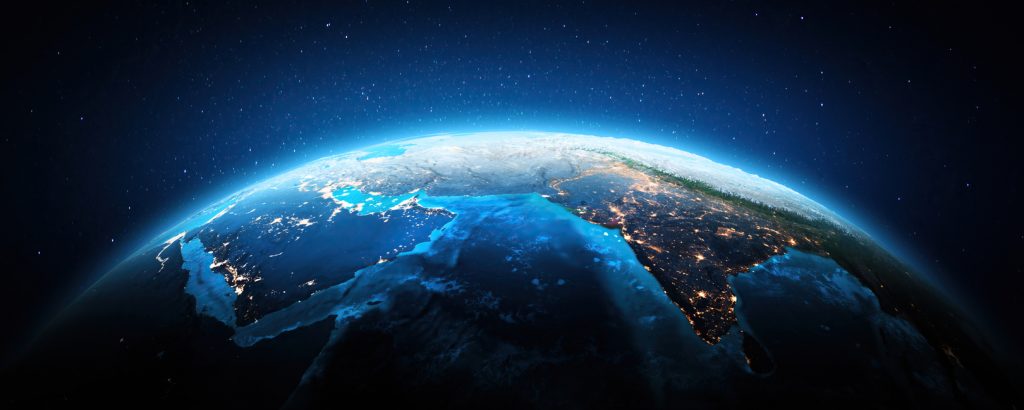
https://visibleearth.nasa.gov/collection/1484/blue-marble
Following the US/Israeli attack on Iran on Friday, shipping through the Straits of Hormuz has ground to halt as Iran and its proxies hit back by firing missiles at tankers. This blockade affects 20% of the global trade in oil and gas and has caused a (so far) limited surge in oil prices to about $80 a barrel (gas has risen more abruptly). “We’re not in full-blown oil crisis mode yet.” Robin Mills, chief executive at Qamar Energy told the BBC this morning.
It is a truism of the fossil fuel economy that many/most of the reserves sit in nations with seriously dodgy regimes eg Iran, Russia and Venezuela. You might think this is a frustrating quirk of geopolitics and geology, but it isn’t. The ‘Paradox of Plenty’ posits that countries with abundant and desirable natural resources are often poorer and much less democratic than those without.
The idea of the paradox is that owning a whole bunch of, say, oil provides ample opportunity for an autocratic leader to enrich themselves and a bunch of their mates by tightly controlling those resources and making tactical deals to those overseas with the cash and desire to buy them. But even in a liberal democracy, abundant resources can cause problems eg in the Netherlands in the late 1959s where the discovery of a large gas field led eventually to a major recession (this effect is known as Dutch Disease in economic circles). And we get ridiculous situations like European countries sending Ukraine weapons to defend themselves against Russian aggression while funding that aggression by buying Russian gas.
Ah, but some will say, clean energy isn’t entirely exempt from dodgy regimes either. And this is true, as it is for most electrical/electronic equipment, particularly when it comes to sourcing cobalt and technical minerals from the DRC or the use of slavery in parts of China’s solar supply chain. But the difference is that once you have purchased some cobalt for an EV battery, then that battery will work for 10-20 years before being recycled. When you buy oil, you burn it and immediately need to buy some more, so you’re much more entangled in the moral morass.
So clean energy will never be squeaky clean, but it is clearly an order of magnitude better than fossil fuel supply chains. And Iran can’t shut off the sun.