

A few days immersed in nature, but you can’t escape climate change
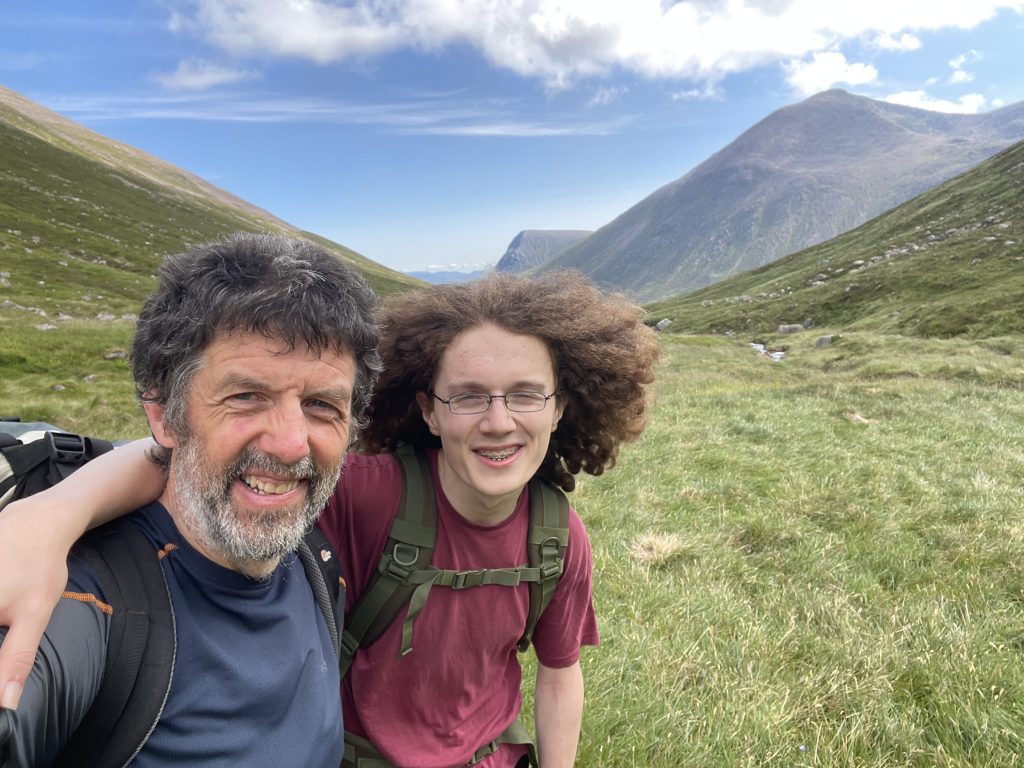
It was my middle child Jimmy’s turn to go through the GCSE grind this year and to mark him getting through to the other side, he wanted “to go on an adventure.” Almost exactly 30 years ago, my partner and I had planned to walk across the Cairngorms from Braemar to Aviemore, but the grim weather forecast triggered a catastrophic collapse in enthusiasm and we flew off to Portugal instead. But I don’t like leaving plans unfulfilled, so I dusted off my old yellow OS map, did a bit of googling, and this hike was back on.
This time, the weather was (largely) glorious, the glacier-carved landscape stunning and the feeling of adventure was very real. Day one we saw a white-tailed eagle and later what we believe was a buzzard swooping through the trees, talons outstretched. Our first night wild camping was hampered a little by ridiculously tussocky grass forming the only open spot we could find (inevitably there was a perfect patch half a mile up the path from where we abandoned our search). Second night, just below the summit of the pass of Lairig Ghru was flat, but windy and cold – the one mistake I made was forgetting what 800m altitude does to temperature and not bringing a beanie or a buff. But as I hand filtered water out of the stream that evening, a water vole busied itself around me, swimming, foraging and eating like a tiny beaver, seemingly unbothered by my presence. That fleeting moment was my personal highlight.
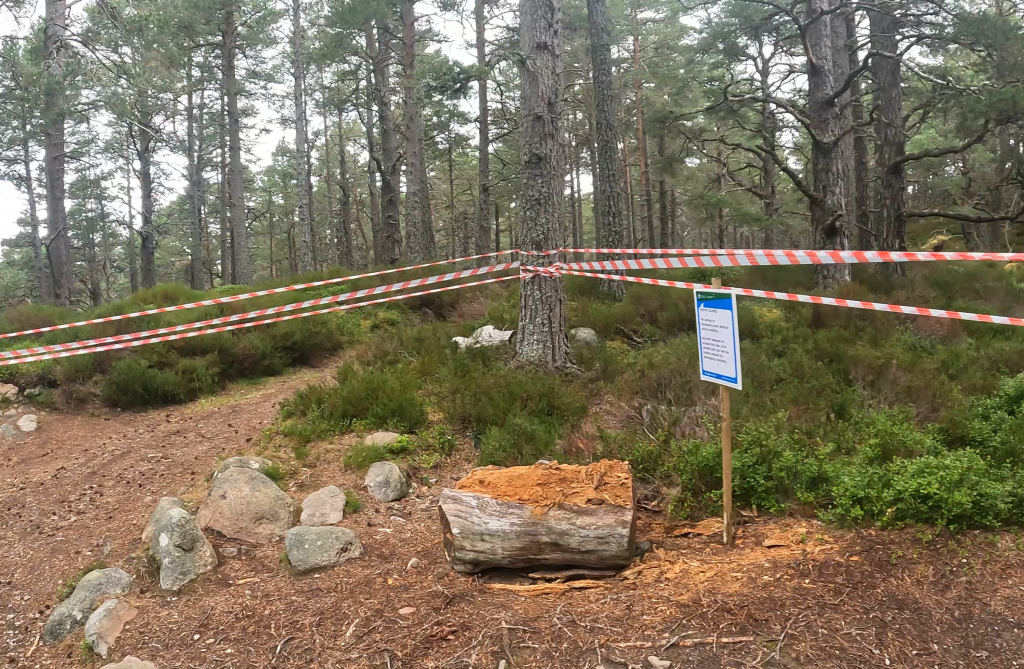
On our final day, we descended into Rothiemurchus Forest only to be met by tape warning us not to head east because of the wildfire that had been burning for a week near Glenmore village. Fortunately, we were heading west to Aviemore, where we were later told by patrolling rangers that the fire had been contained ‘for now’. Maybe the one downpour we had suffered on our descent had helped.
Unfortunately for the residents and businesses in the area, it flared up again after we had left and threatened to get out of hand completely. Several settlements were evacuated. Thanks to the efforts of 500 firefighters, it is now said to be back under control, but at the cost of bulldozing a firebreak – forest often bounces back quickly from fire, but recovers much more slowly from clearance by man.
I do like getting ‘back to nature’ now and again. While our high tech fabric clothing, satellite navigation and ultra lightweight tents meant we weren’t exactly recreating the ‘living off the land’ lifestyle of our prehistoric forefathers, there is something grounding about having to carry in everything we needed (except water) and carry all our waste back out again (apart from a contribution to the compost toilets at a conveniently located bothy).
As large swathes of France and Spain burn, the relatively small wildfire in the forest was a visceral reminder of why we do what we do. As I said above, nature isn’t bad at bouncing back from fire, but the economic impact on a local economy largely based on tourism will be significant. Despite the patronising know-it-alls on social media and opinion pieces, you can’t “just adapt” to wildfires and the supposed panacea of air conditioning certainly doesn’t help. We need to get emissions under control, end of.
Thinking back to my own schooldays, a teacher once told our class “if you chase nature out through the door, it comes back through the window with a pitchfork.”