

Why are we paying pensioners to heat draughty homes?
© welcomia, istockphoto.com
When the political obituaries of outgoing UK Prime Minister Keir Starmer and Chancellor Rachel Reeves are written, their botched attempt to remove the ‘winter fuel payment’ from most pensioners will be identified as the moment it all went wrong. I’m not convinced it is quite that simple having picked up a strong public dislike of Starmer on the doorstep before he became PM, but it clearly was one standout moment in a number of blunders.
When then UK Chancellor Gordon Brown introduced the payment in 1997 it was just £20. Energy costs were low, but there was plenty of money swirling around the economy and pensioners didn’t tend to vote Labour, so a little sweetener wouldn’t go amiss. Over subsequent years it was hiked in steps up to £300 – often featuring as the rabbit to be pulled out of the hat in a Brown budget to great cheers from the Government benches. In the 2010 election campaign, the now Prime Minister Brown forced his opponent, the Conservatives’ David Cameron, to pledge to maintain all those pensioner’s benefits if he won the election, which he (kind of) did. As a result, the £2billion annual cost of the payment was protected while public services were slashed left, right and centre in the austerity years.
As Starmer and Reeves have discovered, introducing a subsidy is much easier than removing it. Given we have had four energy crises since the 2008 crash, pensioners no longer see the payment as a nice wee bonus, but an integral part of their annual finances. Removing it would be extremely painful and it has become the third rail of British politics – touch it and die.
If the winter fuel payment was intended by Brown as a trap for political opponents, it’s ironic that the only victim was his successor as Labour Prime Minister. But imagine what would have happened if the almost 30 years of that fuel subsidy had instead been invested in improving the fabric of pensioners’ homes? We could have cut costs and carbon emissions for the foreseeable future, targeting the most deprived first – a truly progressive policy.
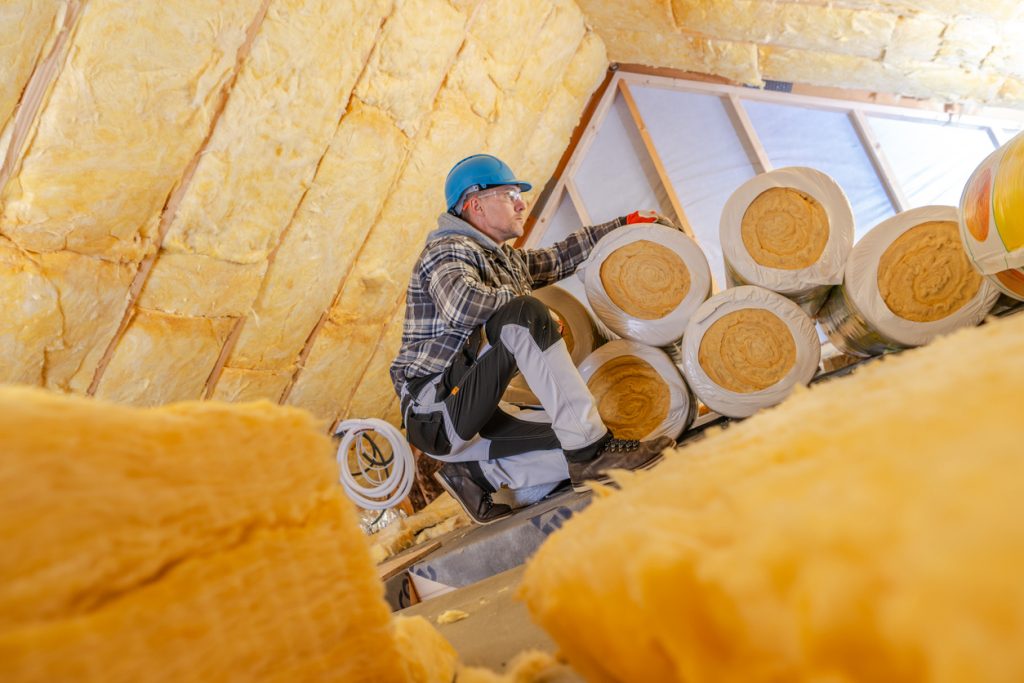
And yet reports in the press today suggest that it is the Government’s home insulation plans that are most likely to fall victim to the drive to fund the new Defence Investment Plan. So we will continue to pay pensioners to heat draughty homes, rather than trying to stop the draughts and fix the problem at source. One of the charges aimed at Gordon Brown by political opponents was he ‘failed to fix the roof while the sun was shining’. Certainly in terms of fixing literal roofs, or more precisely the loft insulation underneath them, he hasn’t been the only one.